Author: pullman

  • Weather-Proofing Old Wood Windows with Clock Spring Balancers

    Weather-Proofing Old Wood Windows with Clock Spring Balancers

    Old houses have undeniable soul. They have character, history, and craftsmanship that modern builds just can’t replicate. They also have winter drafts that can blow out a birthday candle from three rooms away.

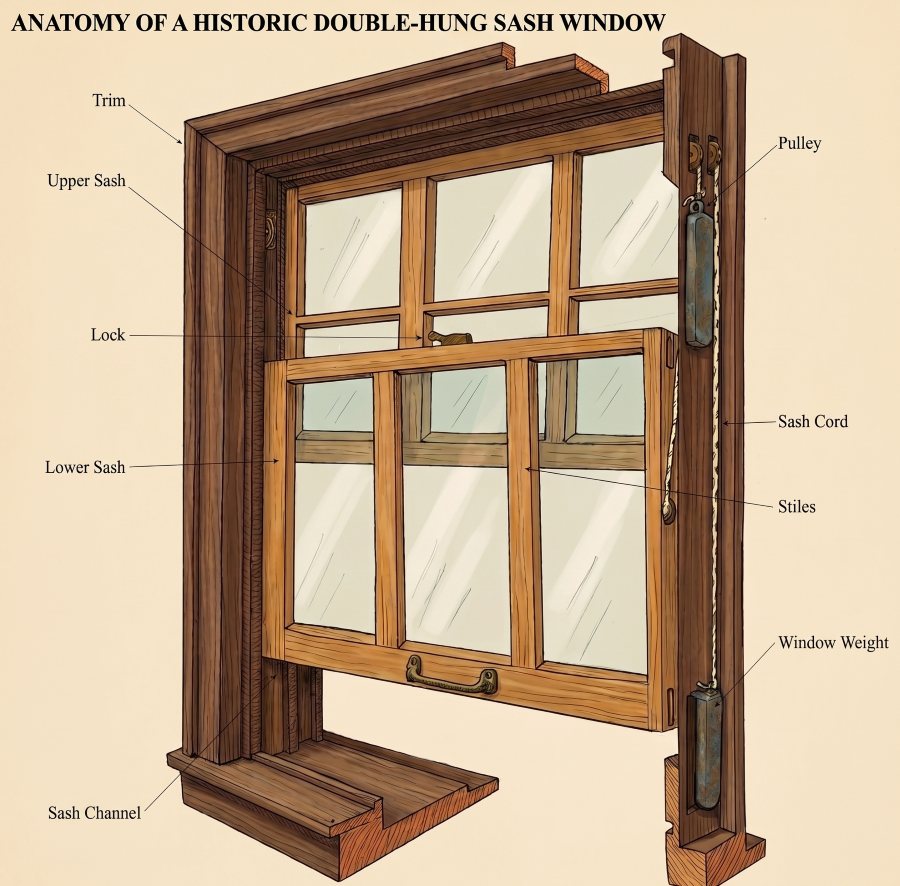
    If you own a historic home, you know the struggle: you want to keep your original wood windows, but your heating bill is screaming for mercy. Traditionally, those beautiful old windows rely on a system of heavy cast-iron weights, cords, or chains hiding inside hollow pockets in your walls.

    But what if you could eliminate those drafts, pack those hollow pockets with high-efficiency insulation, and keep your historic windows operating flawlessly? Enter the clockwound spring balance.

    🛑 A Quick Reality Check for SEO Wanderers

    Before we dive in, let’s get one thing straight: This article is strictly for true historic wood windows. If you have vinyl windows, aluminum frames, or pretty much any window manufactured in the last 50 years, this solution will not work for you. Clock spring balances are a specialized, century-old technology engineered specifically for the weight and structure of traditional wood sashes.
    The Hidden Culprit: The Window Weight Pocket

    In a classic double-hung wood window, the sashes are counterbalanced by iron weights hidden inside the wall framing. To let those weights move up and down, the window cavity has to remain entirely hollow.

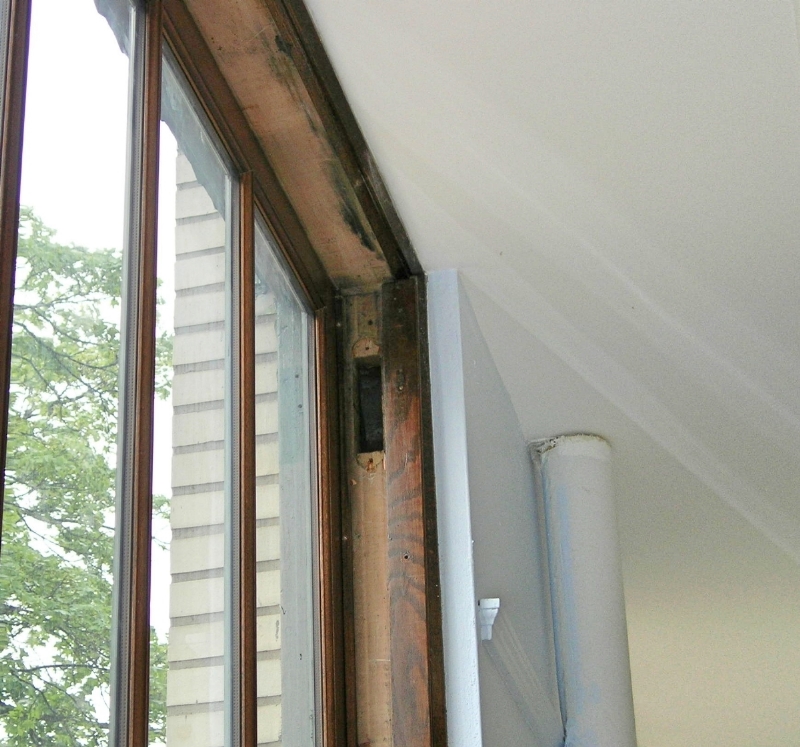
    Unfortunately, a hollow wall cavity right next to a window is a thermal nightmare. It acts as a superhighway for freezing winter air, radiating cold into your living room and letting your expensive heated air escape. You can caulk and weatherstrip the sash all day long, but cold air will still pour through the weight pocket itself.
    The Solution: Clockwound Spring Balances

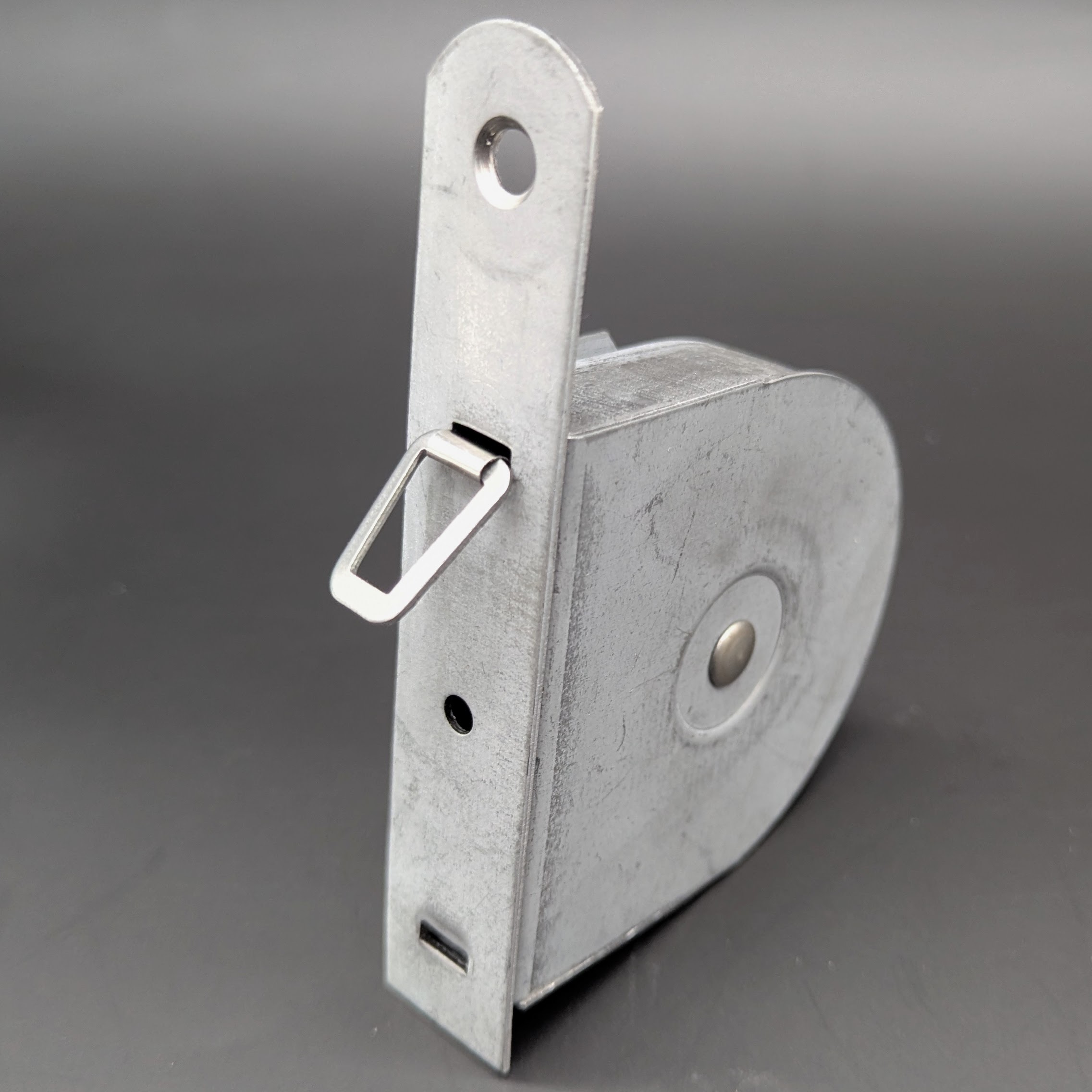
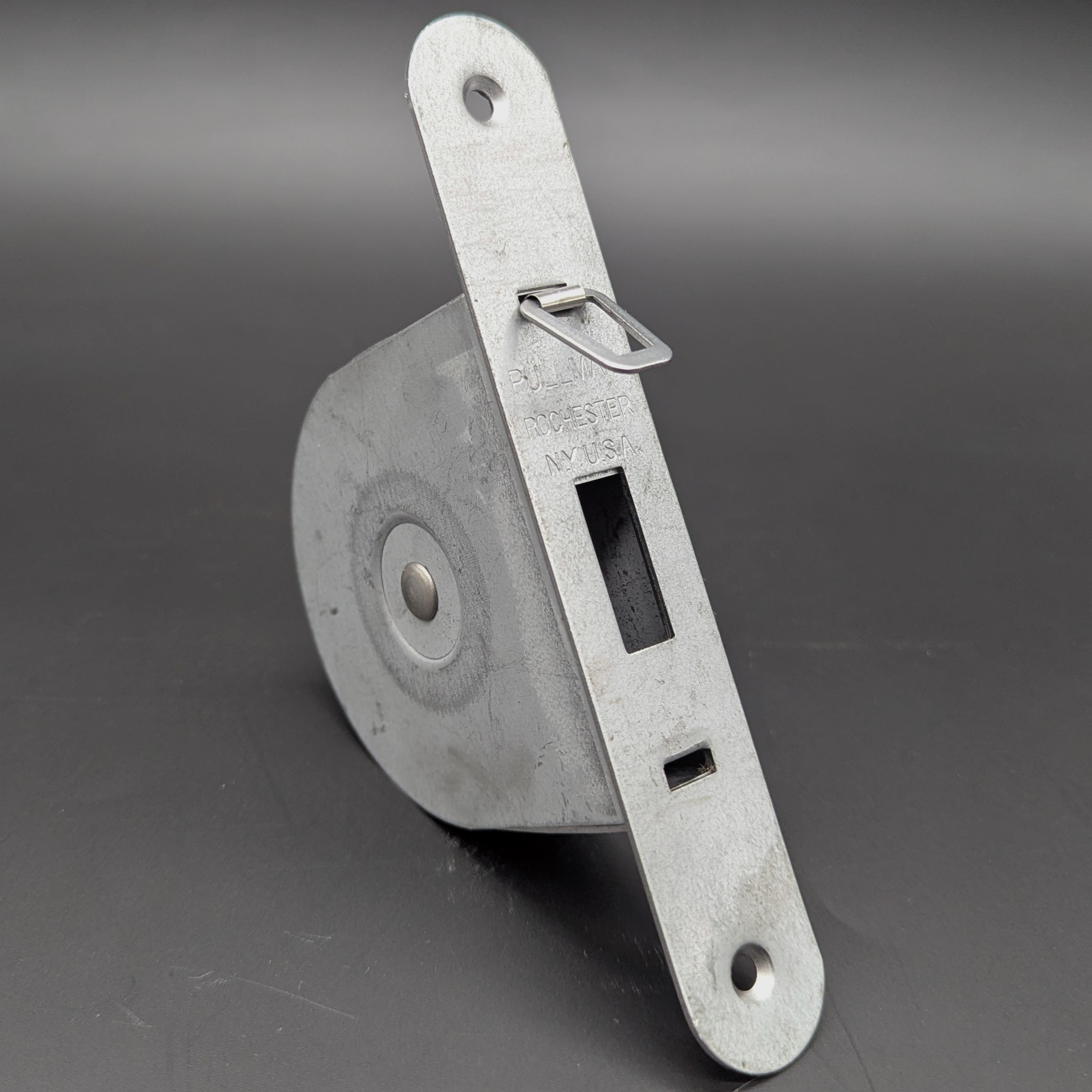
    For over a century, clever builders and restorers have used clock spring balances as a mechanical upgrade. Instead of a bulky weight swinging on a rope, a compact, spring-loaded mechanism is mounted directly into the window jamb.

    As you open the window, a flat steel tape extends, and a tightly wound internal clock spring creates the perfect tension to hold the sash in place. Trusted historic brands like Pullman Mfg, Caldwell, and Acme perfected this technology decades ago, and their designs remain the gold standard for historic restoration today.

    By swapping out the old weights and pulleys for clock spring balances, you completely free up the space inside the window frame.

    The Big Benefits: Warmth, Comfort, and Savings with spring counterbalances

    Once those clunky weights are gone, the real magic happens. You can now fill that notoriously drafty wall cavity with spray-in foam insulation.

    Here is why this upgrade is a game-changer for historic homeowners:

    • Slashed Heating Bills: Sealing and insulating the weight pockets eliminates one of the largest sources of heat loss in an old home. Your furnace won’t have to work overtime to fight off the creeping chill.
    • Next-Level Comfort: Say goodbye to localized cold zones. Insulating the perimeter of your historic windows stops the radiant cold draft, making the seating areas near your windows actually usable in January.
    • Preserved Historic Integrity: You get to keep your original exterior trim, historic glass, and beautiful wood sashes. From the outside, no one will know anything has changed—but your thermostat will.

    Bulletproof Dependability

    When people hear the word “spring,” they often worry about cheap, modern hardware store springs that stretch out and snap after a few years. Clockwound balances are an entirely different beast.

    These units are built with heavy-duty, industrial-grade steel. Brands like Pullman and Caldwell didn’t design these for temporary fixes; they designed them to last for generations. Because the tension is evenly distributed across a coiled clock spring, they maintain their lifting power for decades with virtually zero maintenance. They don’t rot like cotton sash cords, and they don’t rust out like old chains.

    Is This Right For Your Restoration Project?

    If you are tackling a historic wood window restoration and want to drastically improve your home’s energy efficiency without sacrificing its architectural DNA, clock spring balances are the ultimate hidden upgrade. You get the smooth, effortless operation of a perfectly balanced window, combined with the modern comfort of a fully insulated wall.
  • The Engineer & Buyer’s Guide to Industrial Spring Counterbalances and Tool Balancers

    The Engineer & Buyer’s Guide to Industrial Spring Counterbalances and Tool Balancers

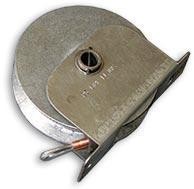
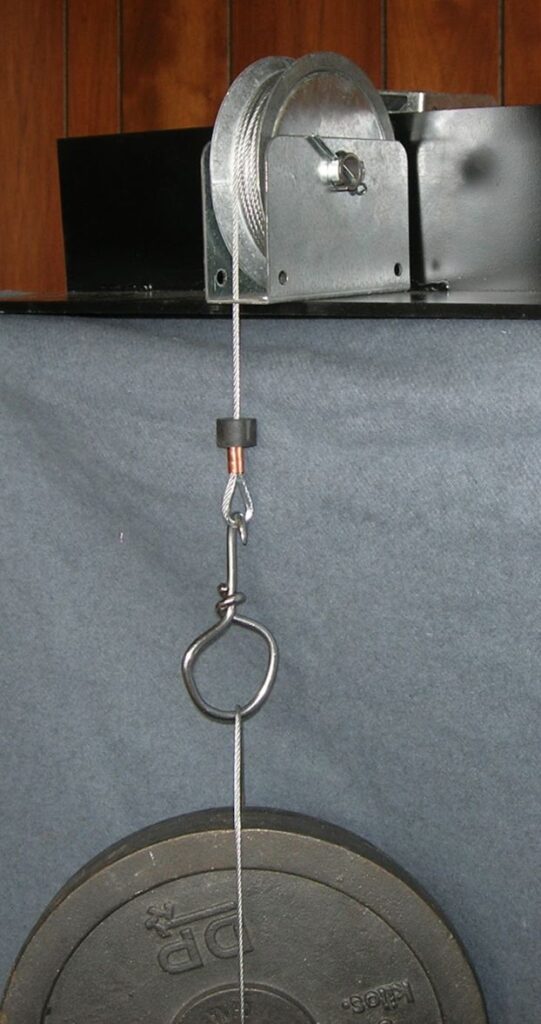
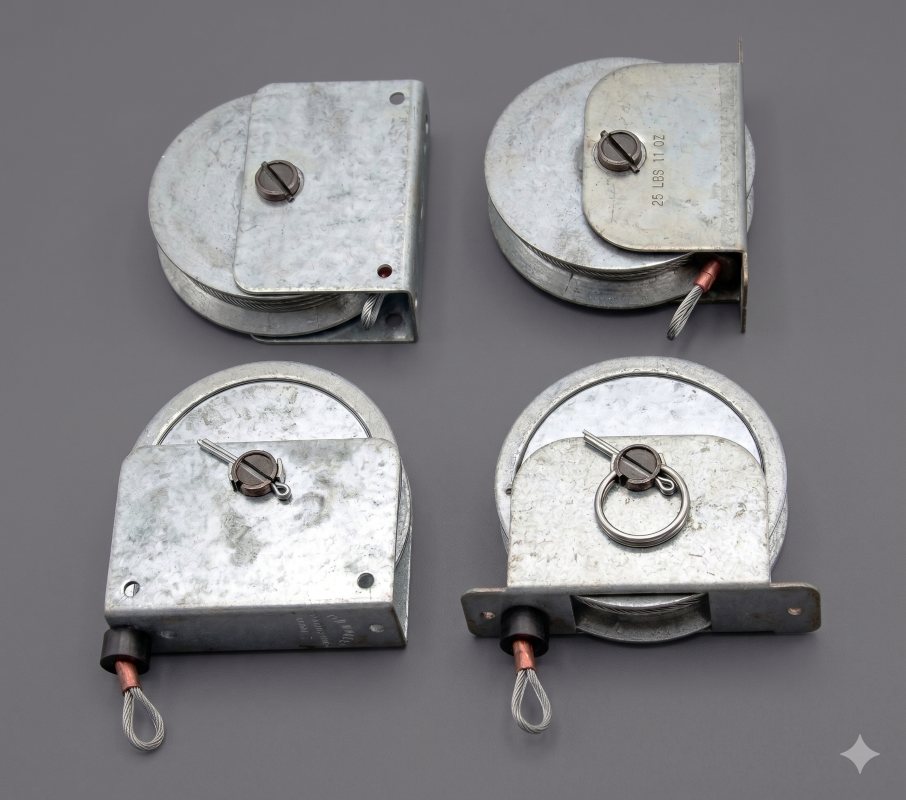
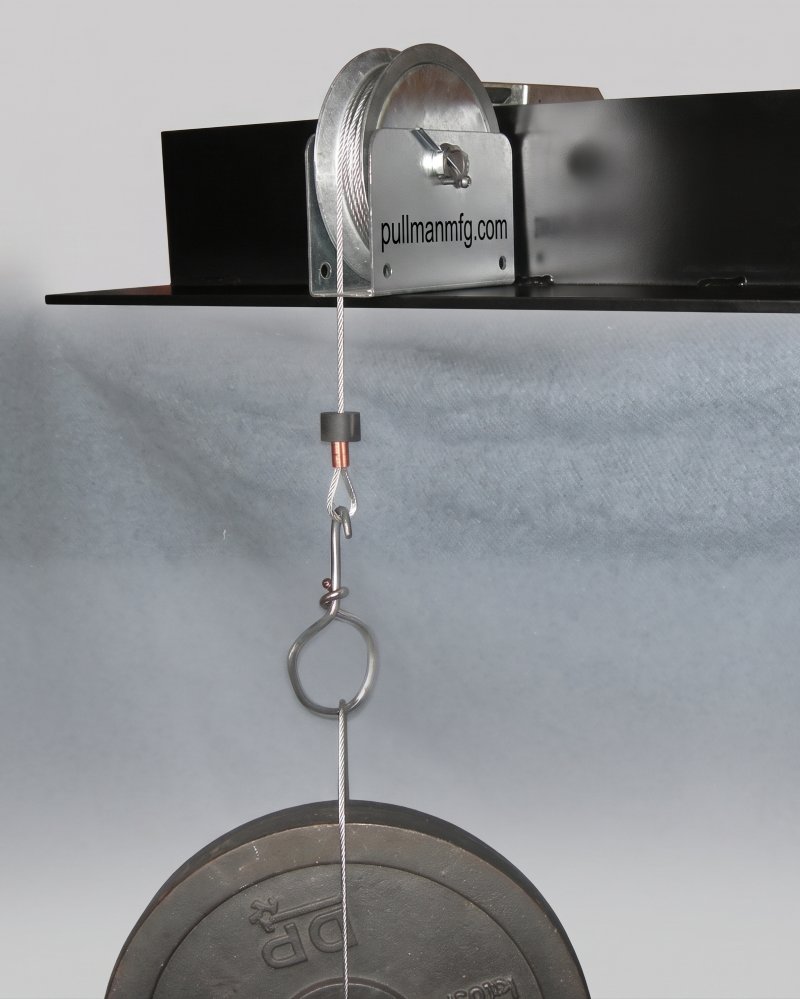
    Spring Reel industrial Cable Balancers

    Industrial spring counterbalances—also known as tool balancers, retractor balancers, or zero-gravity balancers—are essential mechanical devices used to suspend heavy tools, equipment, or components, rendering them virtually weightless to the operator.

    Whether you are an industrial engineer optimizing an automotive assembly line, a sourcing buyer procuring heavy-duty pneumatic tool balancers, or a design engineer integrating an OEM spring and cable system into specialized machinery, selecting the right counterbalance is critical for ergonomics, safety, and operational efficiency.

    This guide outlines the key advantages and critical engineering specifications for sourcing and designing with industrial spring-loaded balancers.

    Key Advantages of Industrial Tool Balancers

    Integrating an industrial spring counterbalance into a manufacturing facility or a custom OEM product yields several immediate and long-term performance benefits:

    • Enhanced Ergonomics and Reduced Fatigue: By neutralizing the weight of heavy assembly tools or OEM components, balancers provide ergonomic tool suspension that significantly reduces physical strain. This mitigates the risk of repetitive strain injuries (RSIs) and musculoskeletal disorders.
    • Increased Assembly Line Productivity: When tools operate in a zero-gravity state and remain constantly within arm’s reach, operators maneuver them swiftly and accurately. This streamlines repetitive tasks and reduces cycle times in material handling and assembly operations.
    • Improved Safety and Equipment Protection: Heavy-duty tool balancers keep heavy equipment off the floor and work surfaces. This eliminates tripping hazards, protects high-value pneumatic and electric tools from drop damage, and keeps cables and hoses safely routed away from moving machinery.
    • Zero Power Consumption: Because they rely entirely on mechanical constant-force or variable-force spring tension, spring retractors require no electricity or compressed air. This makes them highly reliable, cost-effective, and easy to deploy.
    • Workspace Optimization: Suspending tools from overhead workstation cranes, tracks, or jib arms frees up valuable benchtop and floor space, allowing for a lean and organized manufacturing footprint.

    Critical Sourcing and Engineering Specifications

    When selecting a heavy-duty spring balancer for a facility or designing a mechanical counterbalance system into an OEM product, mechanical engineers and procurement teams must evaluate the following technical specifications:

    1. Load Capacity (Weight Range)

    The most critical specification is the payload weight. Balancers are rated for a specific weight range (e.g., 2.0 – 4.0 kg).

    Sourcing Tip: Always calculate the total suspended weight, including the tool, chucks/attachments, and the trailing weight of power cables or pneumatic hoses. Selecting a balancer where the total payload falls exactly in the middle of its rated load capacity yields the smoothest operation and longest spring life.

    2. Cable Travel (Stroke Length)

    This specification dictates the maximum extension distance of the cable. Design engineers must ensure the stroke length accommodates the operator’s required range of motion or the kinematic requirements of the OEM application. Over-extending a retractor balancer is a leading cause of premature spring failure.

    3. Tension Adjustment Mechanisms

    Look for spring balancers that offer simple, incremental tension adjustment to fine-tune the zero-gravity feel. High-capacity balancers typically require a specialized tool or Allen wrench for safety. The adjustment mechanism must be highly secure to prevent accidental detensioning under load.

    4. Housing and Cable Material Selection

    The operating environment dictates the required material properties:

    • Housing: Lightweight aluminum or high-impact plastics are common for standard lines. For harsh industrial environments, ruggedized cast aluminum or heavy-duty steel housings are required.
    • Cable: Standard stranded steel aircraft cables handle most applications. However, high-moisture environments, corrosive chemical areas, or cleanrooms (like food processing or medical OEM equipment) require stainless steel cables, nylon-coated cables, or synthetic Dyneema/Kevlar ropes.

    5. Locking Mechanisms (Ratchet Locks)

    Certain retractor balancers feature a built-in ratchet mechanism that allows the operator to lock the cable at a specific extended stroke height (similar to a window shade). This is vital for applications where a component needs to be temporarily held in a static position without constant upward spring tension. NOTE: Pullman Industrial Counterbalances are free floating with counterweight for the last 30″. It does not have a lock mechanism.

    Considerations for OEM Spring and Cable System Integration

    When design engineers integrate a custom spring counterbalance into a product (such as articulating medical arms, heavy industrial doors, or imaging equipment), additional criteria apply:

    • Form Factor and Spatial Constraints: Space is almost always at a premium in OEM designs. Work closely with counterbalance manufacturers to source compact form factors or design custom-molded housings that fit your chassis.
    • Mounting Configurations: Ensure the balancer’s top hook or mounting bracket aligns with the system’s kinematic movement. The choice between rigid mounting, swivel hooks, or pivoting clevis brackets directly impacts how the cable spools and limits frictional wear.
    • Duty Cycle and Lifecycle Testing: Industrial automated lines may cycle thousands of times per shift. Sourcing buyers should request rigorous lifecycle testing data from the manufacturer to ensure the spring metallurgy and cable fatigue limits exceed the expected lifespan of the final OEM equipment.

    By Chris Spiegel Pullman Mfg. Corporation

    See relevant information and specific product information below

    Spring Balancers for Industrial Applications

    Industrial Balancer Product Pages

    Industrial Counterbalance Specifications

  • Remembering Caldwell & L&L Power Pak Balances: Explore Pullman’s Adaptable Solutions!

    Remembering Caldwell & L&L Power Pak Balances: Explore Pullman’s Adaptable Solutions!

    For those familiar with the reliable Caldwell and later L&L Power Pak balances, finding a direct replacement can be a challenge since those companies are no longer in business. At Pullman Manufacturing Corporation, we understand the need for effective window counterbalancing, and while we don’t offer a direct “Power Pak” equivalent with cable, we’ve developed a successful workaround that many customers have found to be a viable solution: adapting our durable VX tape balance.

    Introducing the Pullman Adaptation for Power Pak Replacements:

    • While our standard VX series is designed with a top ear for traditional installation, we’ve found that by carefully cutting off the top ear, the remaining portion closely resembles the form factor of the L&L Power Pak balance.
    • Important Note: The standard Pullman VX balance utilizes a tape system, not a cable. Based on feedback from other customers who have adopted this method, this adaptation has proven to be a functional alternative.

    Leveraging the Reliable Pullman VX Series:

    The same weight and size guidelines for replacing the L&L 242 series with our standard VX balances apply to this Power Pak adaptation:

    • 8 lb Sash: Use 2 pieces of Pullman VX-104
    • 10 lb Sash: Use 2 pieces of Pullman VX-105
    • 12 lb Sash: Use 2 pieces of Pullman VX-106
    • 24 lb Sash: Use 2 pieces of Pullman VX-112

    Key Features of the Adapted Pullman VX Balance:

    • Tape System: Utilizes a durable and reliable tape mechanism.
    • Tape Length: Features 40 inches of tape.
    • Faceplate: Has a 6″ x 1″ faceplate.

    Why Consider the Pullman VX Adaptation for Power Pak Replacements?

    • Proven Functionality: Based on positive feedback from other customers, this adaptation offers a working solution.
    • Utilizes a Reliable Pullman Product: The VX series is known for its quality and durability.
    • Familiar Weight Ranges: Offers comparable weight capacities to the L&L Power Pak.

    Explore Our Full Range and Discount Opportunities:

    While the VX adaptation provides a solution for Power Pak replacements, we encourage you to explore our full range of Pullman window balances, including the A series for heavier sashes (replacing the L&L 150 series) and our V series as a side balance option.

    Qualify for our discounted pricing on orders of 20 pieces or more. This allows you to find the perfect solutions for all your window needs while maximizing your cost savings.

    Ready to Find Your Pullman Solution?

    Don’t let the discontinuation of Caldwell and L&L leave you with unreliable windows. Contact Pullman Manufacturing Corporation today to discuss your specific requirements and explore how our adaptable VX series, along with our other high-quality balances, can provide the reliable performance you need. Our team is ready to help you find the right solution!

  • Remembering Caldwell Clock Spring Balances: Pullman Has Your Solution!

    Remembering Caldwell Clock Spring Balances: Pullman Has Your Solution!

    For Years, Caldwell Manufacturing provided reliable clock spring balances for window operation before selling to L&L. While Caldwell, and L&L Concepts are no longer in business, the need for dependable replacement window counterbalances remains. If you’re looking for a direct and trustworthy alternative, look no further than Pullman Mfg. Corporation, a name synonymous with quality and durability in window hardware Since 1886.


    At Pullman, we understand the importance of smooth and reliable window operation. We offer comparable products in similar weight ranges, providing a modern solution for your replacement needs. Our clock spring balances can also be used to replace rope and pulley systems in traditional windows for residential and commercial use.


    Finding Your Pullman Match for Caldwell and L&L Clock Spring Balances:


    To make your transition seamless, we’ve compiled some key crossover information to help you find the closest Pullman equivalent for our tape balances:

    Replacing L&L 242 Series Balances? Choose Pullman’s VX / V Series:


    Our VX and V series balances offer a comparable solution for replacing the L&L 242 series. Important Weight Limitation: Please note that our VX / V series can currently be assembled for sashes up to a maximum of 24 lbs.
    Here’s a quick guide:

    • 8 lb Sash: Use 2 pieces of Pullman VX-104
    • 10 lb Sash: Use 2 pieces of Pullman VX-105
    • 12 lb Sash: Use 2 pieces of Pullman VX-106 or Pullman V-6 (V-6 is a side balance option)
    • 24 lb Sash: Use 2 pieces of Pullman VX-112
    • For more information on V Balances see the V-Product Page!


    Key Features of Pullman VX / V Balances:

    • Tape Length: Type V balances feature 40 inches of tape.
    • Faceplate: Both A and V series balances have a 6″ x 1″ faceplate.
    • Body Size (V Series): Standard size of 3″ X 3″.


    What About Heavier Sashes (Above 24 lbs replacing 242)?

    • For a 28 lb Sash, the closest Pullman match is 2 pieces of the A-114. See liink to product page for A balances below.


    Replacing L&L 150 Series Balances? Pullman’s A Series is Your Go-To:

    • If you’re replacing the L&L 150 series, our Pullman A series offers the closest comparable solution.
    • Important Weight Limitation: Our A series can currently be assembled for sashes up to a maximum of 29 lbs.


    What About Heavier Sashes (Above 29 lbs replacing 150)?

    • A 36 lb Sash would require our Pullman Type L balance (L-114).
    • Important Size Note: The Type L balance is significantly larger than the L&L 154 series, with a body size of 4 3/8″ x 4 7/16″. Please ensure you have adequate space for installation.
    • SEE full specifications for L Type Clock Spring Balances on L-Product Page.


    Key Features of Pullman A Balances:

    • Tape Length: Type A balances feature 46 inches of tape.
    • Faceplate: Both A and V series balances have a 6″ x 1″ faceplate.
    • Body Size (A Series): The Type A body is 3 7/16″ x 3 7/16″.
    • Full specifications on Type A Balances on the A-Product Page.


    Choose Pullman for Reliable Window Balance Solutions:


    While Caldwell and L&L are no longer available, Pullman Manufacturing Corporation is here to provide durable, high-quality window counterbalances. Whether you’re a hotel looking to maintain smooth window operation, a college ensuring ease of use in dormitories, or a furniture manufacturer seeking reliable components, Pullman offers a dependable alternative.


    Contact us today to discuss your specific replacement needs and discover the Pullman advantage! A knowledgeable team member will help you find the right balance replacement for your Caldwell or L&L Clock Spring Balance.

  • Spring Balancers for Industrial Applications

    Spring Balancers for Industrial Applications

    Cable Counterbalance Spring Balancer Intro:

    Common names for industrial counterbalances: Tool balancers, tool retractors, cable counterbalances, tensioners, spring balancers, and cable pulleys.

    Industrial SPRING counterbalances play a crucial role in various applications by providing a counteracting force to maintain balance and improve efficiency. This white paper explores this specific technology, its function, and key points for selecting the right counterbalance for your specific needs. The advantages of using spring counterbalances and real-world examples of their applications are noted. 

    What are Industrial Counterbalances?

    An industrial counterbalance is a weight or spring-loaded mechanism that creates an opposing force to offset the weight of another object. This helps to achieve equilibrium within a system, preventing unwanted movement or strain. 

    Applications for Spring Balancers:

    Counterbalances are used extensively in various industrial settings, including:

    • Tool Balancers: These utilize load capacity and spring tension to suspend tools in a designated location, improving ergonomics and reducing operator fatigue.
    • Assembly Lines: Counterbalances can be incorporated into robots or other automation equipment to offset the weight of  fixtures or components, ensuring smooth and precise movement. Spring Balances function by reducing strain on workers by counterbalancing the weight of the tool, making them ideal for applications like automotive assembly lines, welding operations, and other tasks requiring repetitive hand tool use, thus improving ergonomics and workplace safety.
    • Machinery: In various machinery, counterbalances are used to balance moving parts, reducing vibration and wear on components.  The spring balance can support a lid, or countertop, or any moving equipment.  The counterbalancing system counteracts the weight and balances the system to achieve the desired result.
    • Doors and Lifts: Counterbalances help to offset the weight of heavy doors or platforms, making them easier to open and close.

    Real World Examples:

    Manufacturing Assembly Lines: Tool balancers with counterbalances are used to suspend heavy welding guns or large components, allowing workers to effortlessly maneuver them during assembly.

    Equipment Doors: Counterbalances are integrated into the equipment supporting the movement of heavy doors or access points ensuring precise and controlled movements.

    Band Saw (replacement for balancer).  The balances can be used for replacement equipment to support band saws and other machines which have a broken counterbalance. 
    OEM Equipment: Counter balance is often used to support movement of heavy moveable parts in a piece of equipment.

    Advantages of Spring Balancers:

    • PRICE for weight lifted is lower with spring counterbalances vs other counterbalancing technologies.  This is a key advantage.  
    • Eliminate the need to lift heavy tools
    • Reduce static loads on the shoulder from constantly holding tools (even lightweight ones)
    • Improved Ergonomics: Tool balancers with counterbalances reduce operator fatigue by eliminating the need to hold heavy tools constantly.
    • Enhanced Safety: Counterbalances prevent equipment from tilting or moving unexpectedly, minimizing safety risks.
    • Increased Efficiency: Spring balanced systems operate smoother and require less power, leading to improved efficiency and productivity.
    • Reduced Wear and Tear: Balanced systems experience less stress on components, leading to a longer lifespan and reduced maintenance costs.
    • Spring Counterbalances utilize a compressed spring to generate the counteracting force. This allows the balancer to be more compact and fit into existing equipment or on existing production lines.
    • Multiple attachment options can be used to fit into the current line, or equipment design. 

    Key Points:

    • Tool balancers utilize load capacity as well as spring tension along a cable to suspend tools in predetermined locations. This is different from a tool retractor that returns the tool to the original position.
    • Load Capacity: The counterbalance needs to be able to effectively offset the weight of the object being balanced.
    • Work Area: Consider the available space and choose a counterbalance that fits comfortably within your workspace.  Dimensions on specification sheet. 
    • Adjustment Options: Some counterbalances offer adjustability, which can be beneficial for situations where the weight being balanced might vary. Video on website shows how to adjust the balance within 1-2 lb increments.
    • The industrial balancer is free floating and supports the proper weight only in the last 30” of the cable length.  A locking mechanism is recommended for safety if holding above 30” functional area.  

    Conclusion:

    Industrial counterbalances offer a simple, low cost, yet powerful solution for maintaining balance and improving efficiency across numerous applications. By understanding the different types, benefits, and considerations for selecting a counterbalance, you can optimize your operations and achieve greater productivity and safety in your industrial environment.