
Spring Reel industrial Cable Balancers
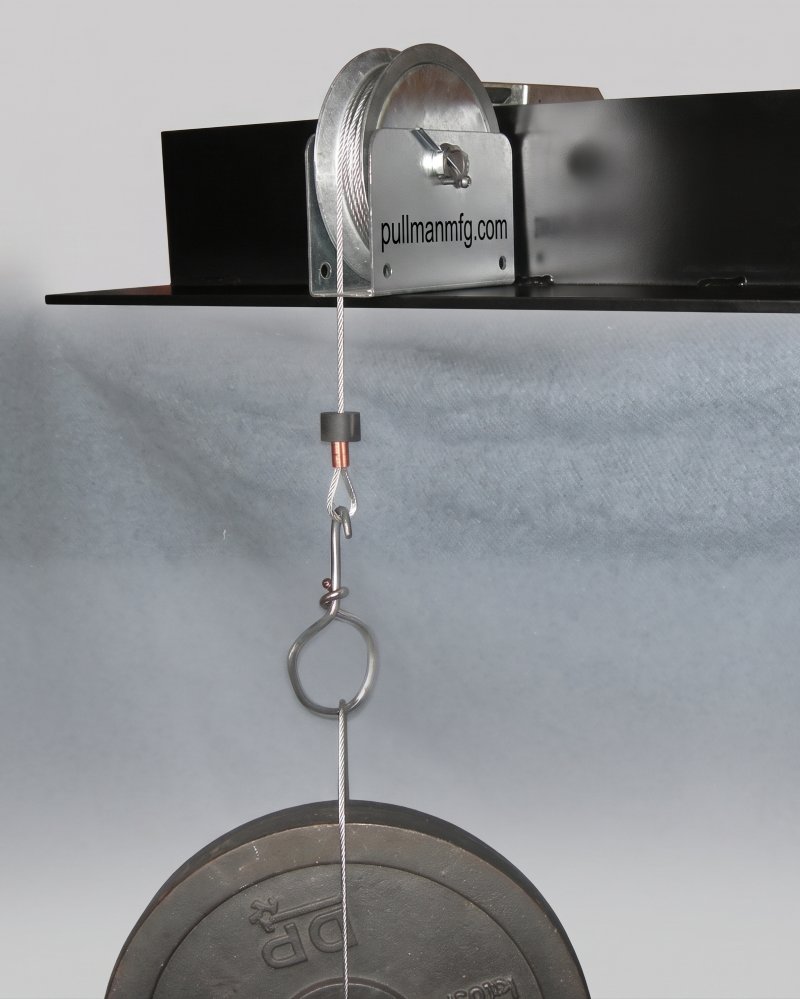
Industrial spring counterbalances—also known as tool balancers, retractor balancers, or zero-gravity balancers—are essential mechanical devices used to suspend heavy tools, equipment, or components, rendering them virtually weightless to the operator.
Whether you are an industrial engineer optimizing an automotive assembly line, a sourcing buyer procuring heavy-duty pneumatic tool balancers, or a design engineer integrating an OEM spring and cable system into specialized machinery, selecting the right counterbalance is critical for ergonomics, safety, and operational efficiency.
This guide outlines the key advantages and critical engineering specifications for sourcing and designing with industrial spring-loaded balancers.
Key Advantages of Industrial Tool Balancers
Integrating an industrial spring counterbalance into a manufacturing facility or a custom OEM product yields several immediate and long-term performance benefits:
- Enhanced Ergonomics and Reduced Fatigue: By neutralizing the weight of heavy assembly tools or OEM components, balancers provide ergonomic tool suspension that significantly reduces physical strain. This mitigates the risk of repetitive strain injuries (RSIs) and musculoskeletal disorders.
- Increased Assembly Line Productivity: When tools operate in a zero-gravity state and remain constantly within arm’s reach, operators maneuver them swiftly and accurately. This streamlines repetitive tasks and reduces cycle times in material handling and assembly operations.
- Improved Safety and Equipment Protection: Heavy-duty tool balancers keep heavy equipment off the floor and work surfaces. This eliminates tripping hazards, protects high-value pneumatic and electric tools from drop damage, and keeps cables and hoses safely routed away from moving machinery.
- Zero Power Consumption: Because they rely entirely on mechanical constant-force or variable-force spring tension, spring retractors require no electricity or compressed air. This makes them highly reliable, cost-effective, and easy to deploy.
- Workspace Optimization: Suspending tools from overhead workstation cranes, tracks, or jib arms frees up valuable benchtop and floor space, allowing for a lean and organized manufacturing footprint.
Critical Sourcing and Engineering Specifications
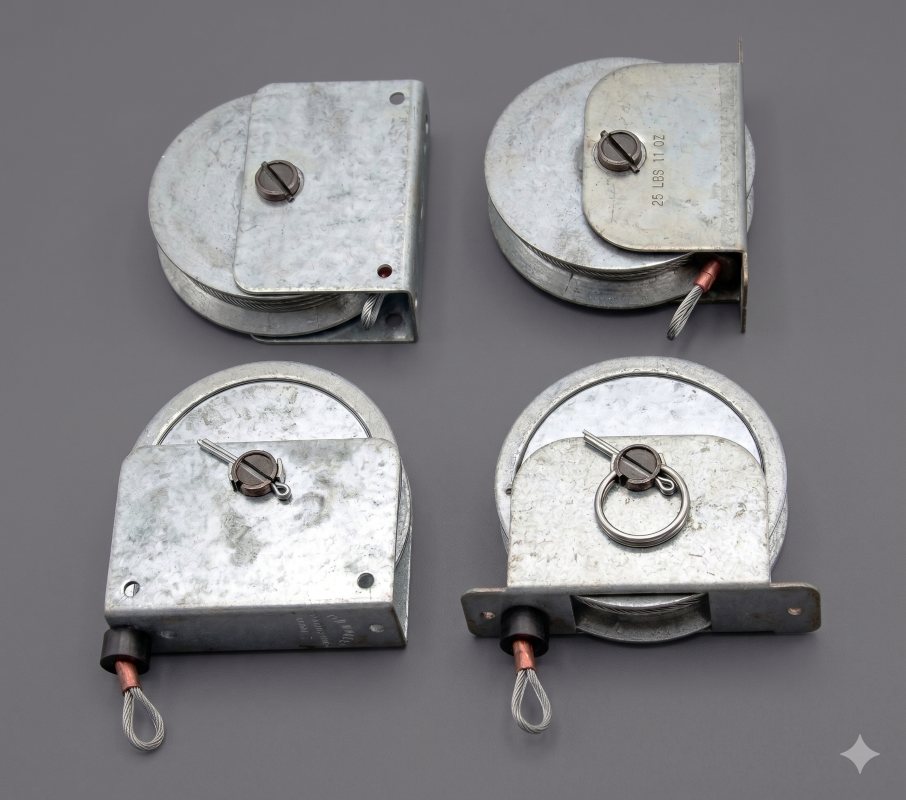
When selecting a heavy-duty spring balancer for a facility or designing a mechanical counterbalance system into an OEM product, mechanical engineers and procurement teams must evaluate the following technical specifications:
1. Load Capacity (Weight Range)
The most critical specification is the payload weight. Balancers are rated for a specific weight range (e.g., 2.0 – 4.0 kg).
Sourcing Tip: Always calculate the total suspended weight, including the tool, chucks/attachments, and the trailing weight of power cables or pneumatic hoses. Selecting a balancer where the total payload falls exactly in the middle of its rated load capacity yields the smoothest operation and longest spring life.
2. Cable Travel (Stroke Length)
This specification dictates the maximum extension distance of the cable. Design engineers must ensure the stroke length accommodates the operator’s required range of motion or the kinematic requirements of the OEM application. Over-extending a retractor balancer is a leading cause of premature spring failure.
3. Tension Adjustment Mechanisms
Look for spring balancers that offer simple, incremental tension adjustment to fine-tune the zero-gravity feel. High-capacity balancers typically require a specialized tool or Allen wrench for safety. The adjustment mechanism must be highly secure to prevent accidental detensioning under load.
4. Housing and Cable Material Selection
The operating environment dictates the required material properties:
- Housing: Lightweight aluminum or high-impact plastics are common for standard lines. For harsh industrial environments, ruggedized cast aluminum or heavy-duty steel housings are required.
- Cable: Standard stranded steel aircraft cables handle most applications. However, high-moisture environments, corrosive chemical areas, or cleanrooms (like food processing or medical OEM equipment) require stainless steel cables, nylon-coated cables, or synthetic Dyneema/Kevlar ropes.
5. Locking Mechanisms (Ratchet Locks)
Certain retractor balancers feature a built-in ratchet mechanism that allows the operator to lock the cable at a specific extended stroke height (similar to a window shade). This is vital for applications where a component needs to be temporarily held in a static position without constant upward spring tension. NOTE: Pullman Industrial Counterbalances are free floating with counterweight for the last 30″. It does not have a lock mechanism.
Considerations for OEM Spring and Cable System Integration
When design engineers integrate a custom spring counterbalance into a product (such as articulating medical arms, heavy industrial doors, or imaging equipment), additional criteria apply:
- Form Factor and Spatial Constraints: Space is almost always at a premium in OEM designs. Work closely with counterbalance manufacturers to source compact form factors or design custom-molded housings that fit your chassis.
- Mounting Configurations: Ensure the balancer’s top hook or mounting bracket aligns with the system’s kinematic movement. The choice between rigid mounting, swivel hooks, or pivoting clevis brackets directly impacts how the cable spools and limits frictional wear.
- Duty Cycle and Lifecycle Testing: Industrial automated lines may cycle thousands of times per shift. Sourcing buyers should request rigorous lifecycle testing data from the manufacturer to ensure the spring metallurgy and cable fatigue limits exceed the expected lifespan of the final OEM equipment.
By Chris Spiegel Pullman Mfg. Corporation
See relevant information and specific product information below
Spring Balancers for Industrial Applications